Move-In Cleaning Checklist: What to Clean Before Settling Into Your New Home
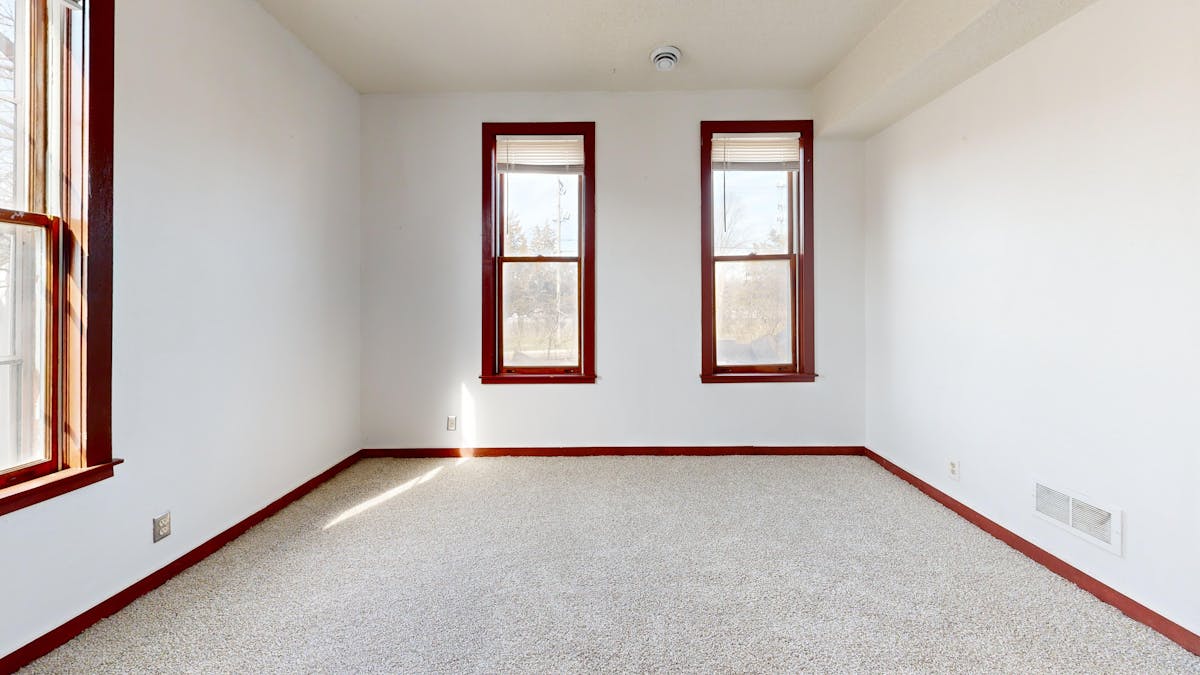
Moving into a new home is one of the few times you will have completely empty rooms to work with. Use that window. Once the furniture arrives and boxes fill every corner, cleaning becomes a juggling act. Before the moving truck pulls up, a thorough room-by-room cleaning is the single most effective thing you can do to start fresh.
This applies whether you bought a resale home, signed a lease, or closed on new construction. Previous occupants leave behind dust, grime, and bacteria that no final walkthrough will reveal. New builds come with their own set of problems: drywall dust in every crevice, adhesive residue on windows, and paint overspray on hardware. Either way, you want a clean slate before your belongings cross the threshold.
Here is the complete move-in cleaning checklist, organized room by room.
Kitchen
The kitchen demands the most attention because it is the room where food meets surfaces. Every cabinet, drawer, and appliance should be cleaned before you put a single dish away.
Cabinet and drawer interiors. Open every door and pull out every drawer. Wipe shelves and bottoms with a mild all-purpose cleaner or a vinegar-water solution. In older Northeast Ohio homes, check cabinet corners and behind drawer liners for mouse droppings. This is common in homes that have been vacant through winter and does not mean the house is infested. It does mean you need to sanitize thoroughly before placing anything inside.
Appliances. Clean the oven interior, stovetop, drip pans or burner grates, and range hood filter. Wipe down the refrigerator shelves, drawers, door seals, and exterior. Run an empty cycle in the dishwasher with a cup of white vinegar on the top rack. Microwave interiors collect more residue than most people realize.
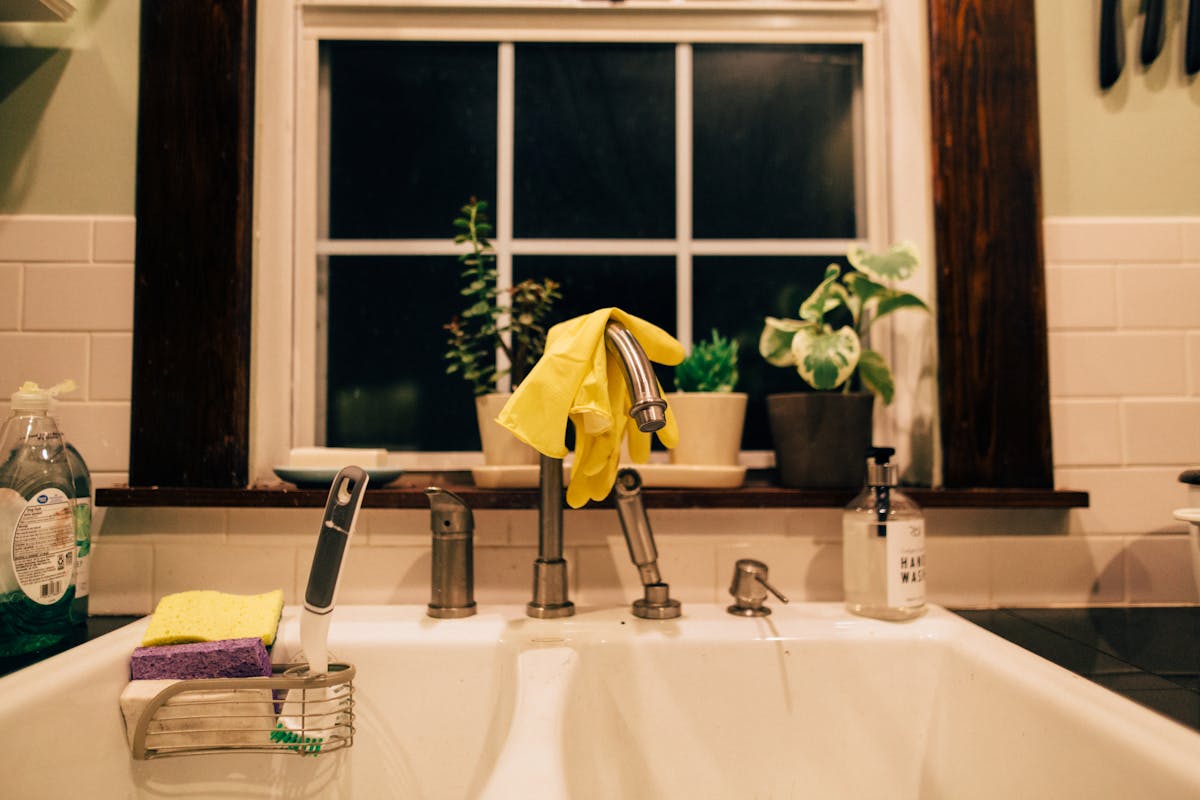
Counters, backsplash, and sink. Disinfect all counter surfaces. Scrub the sink basin and faucet base where grime collects. If there is a garbage disposal, run it with ice cubes and a lemon half to clear residue and odor.
Kitchen checklist:
- Inside and outside of all cabinets and drawers
- Oven, stovetop, drip pans, and range hood filter
- Refrigerator shelves, drawers, and door gaskets
- Dishwasher interior (run a vinegar cycle)
- Microwave interior and exterior
- Countertops and backsplash
- Sink basin, faucet, and garbage disposal
- Floor, including behind and under appliances
Bathrooms
Disinfect everything. You do not know the previous occupant’s hygiene habits, and bathroom surfaces harbor bacteria that survive long after someone moves out. Start from the top and work down so loosened debris falls to surfaces you have not cleaned yet.
Toilet. Scrub the bowl, but also wipe the tank exterior, base, seat hinges, and the floor immediately around the toilet. These areas are consistently the most overlooked and the most contaminated.
Tub and shower. Scrub tile, grout lines, and the tub basin. Remove hard water deposits from the showerhead by soaking it in a bag of white vinegar for 30 minutes. Pull back the shower door track or curtain rod and clean underneath. Mold grows in these hidden seams, especially in bathrooms without windows.
Vanity and medicine cabinet. Wipe the vanity top, basin, and faucet. Open the medicine cabinet and clean every shelf. Check under the vanity for signs of past leaks or water damage.
Exhaust fan. Remove the exhaust fan cover and wipe the blades. A clogged fan does not ventilate, which leads to mold. This is a two-minute task that most people skip entirely.
Bathroom checklist:
- Toilet bowl, seat, base, tank exterior, and surrounding floor
- Tub or shower basin, tile, and grout
- Showerhead (vinegar soak for mineral deposits)
- Shower door tracks or curtain rod area
- Vanity top, sink basin, and faucet
- Medicine cabinet shelves
- Mirror
- Exhaust fan cover and blades
- Floor, including behind the toilet
Bedrooms and Closets
Bedrooms appear cleaner than kitchens and bathrooms, but dust collects in places that are easy to miss when a room is empty. This is your best opportunity to reach areas that will be blocked by furniture for years.
Closets. Wipe down all closet shelves, rods, and the floor. If the closet has built-in drawers or organizer systems, clean every surface. Vacuum closet corners where dust and debris settle.
Carpet. If the home has carpet, vacuum thoroughly even if it looks clean. For a deeper result, steam clean before furniture moves in. Doing this after the fact means moving everything out of the room again.
Windows and tracks. Clean window glass inside and out if accessible. In Northeast Ohio, window tracks accumulate condensation buildup over winter months. You will often find a line of black residue along the bottom track from moisture sitting against aluminum frames. A stiff brush and a vinegar solution will clear it. Wipe window sills as well.
Ceiling fans and vents. Dust ceiling fan blades on both sides. Remove vent covers from supply and return air registers, wash them in warm soapy water, and vacuum inside the duct opening as far as you can reach.
Bedroom checklist:
- All closet shelves, rods, drawers, and floor
- Carpet (vacuum at minimum, steam clean if possible)
- Window glass, sills, and tracks
- Ceiling fan blades (both sides)
- Supply and return vent covers (remove, wash, and vacuum opening)
- Light fixtures
- Baseboards
Living Areas and Common Spaces
Living rooms, dining rooms, hallways, and entryways accumulate the same dust and grime as bedrooms, with a few additional areas that need attention.
Floors. Vacuum all carpeted areas. For hardwood, laminate, or tile, sweep and then mop with a product appropriate for the floor type. Pay attention to corners and edges where dust builds up against baseboards.
Baseboards. Run a damp cloth along every baseboard in the home. This is tedious but makes a visible difference, and it is far easier to do before furniture is in place.
Light fixtures and ceiling lights. Remove glass covers from ceiling fixtures and wash them. Wipe recessed light trims. Dust any pendant or chandelier fixtures.
Light switches, outlets, and door frames. Wipe every light switch plate, outlet cover, and door frame in the home with a disinfecting cloth. These are high-touch surfaces that rarely get cleaned between occupants.
Fireplace. If the home has a fireplace, sweep out ash and debris from the firebox. Wipe the mantel and surround. Do not attempt to clean the chimney flue yourself; that is a job for a certified chimney sweep.
Stairway railings. Wipe the full length of any stairway railing and balusters. Grease and dust accumulate on handrails from years of use.
Living area checklist:
- All floors (vacuum carpet, sweep and mop hard surfaces)
- Baseboards throughout the home
- Light fixture covers and recessed trims
- Light switch plates and outlet covers
- Door frames and door tops
- Fireplace firebox, mantel, and surround
- Stairway railings and balusters
- Window blinds or shutters
Often Overlooked Areas
These are the areas that separate a surface-level wipe-down from a genuine move-in cleaning. Most of them take only a few minutes each, but together they eliminate the hidden dirt that lingers in a home.
- HVAC filters. Replace all furnace and air handler filters before you turn on the system. If you do not know when they were last changed, assume it has been too long. A standard 1-inch filter costs a few dollars and takes 30 seconds to swap.
- Water heater area. Sweep or vacuum around the water heater and furnace. These utility areas collect dust and cobwebs that circulate through the HVAC system.
- Garage floor. Sweep the garage floor and wipe down any shelving or workbench surfaces. Previous owners leave behind oil stains, road salt, and general debris.
- Laundry hookups. Clean the dryer vent connection area and wipe down the washer hookup valves. Check for lint buildup behind the dryer hookup location.
- Doorknobs and handles. Every doorknob, cabinet pull, and drawer handle in the home should be wiped with a disinfectant. There are more of these than you think.
- Inside the dishwasher. Beyond running a vinegar cycle, pull out the bottom rack and check the filter at the base of the tub. Food debris collects here and creates odor.
- Garbage disposal splash guard. The rubber splash guard inside the kitchen drain collar collects food buildup on the underside. Flip it up and scrub with a brush.
- Refrigerator coils. Pull the refrigerator away from the wall and vacuum the condenser coils on the back or bottom. Dust-coated coils reduce efficiency and increase energy costs.
New Construction vs. Existing Home
A brand-new home does not mean a clean home. The type of cleaning required is simply different.
New construction leaves behind fine drywall dust on every surface, including inside cabinets, light fixtures, and HVAC ducts. You will find paint overspray on hardware, window glass, and floor edges. Adhesive residue from manufacturer stickers remains on windows, appliances, and plumbing fixtures. Construction crews track mud through hallways and leave sawdust in closets. A new build needs a thorough dust removal and surface cleaning before it is move-in ready.
Existing homes need sanitization as the priority. The surfaces are not covered in construction debris, but they carry the residue of daily life from previous occupants: cooking grease, bathroom bacteria, pet dander, and general wear. The focus shifts to disinfecting high-touch surfaces, deep-cleaning kitchens and bathrooms, and removing the accumulated dust and grime that builds up in a home over years.
| Focus Area | New Construction | Existing Home |
|---|---|---|
| Primary concern | Dust and debris removal | Sanitization and disinfection |
| Cabinets | Drywall dust inside | Previous occupant residue |
| Windows | Sticker removal, paint overspray | Condensation buildup, grime |
| Floors | Mud, sawdust, adhesive | Ground-in dirt, pet stains |
| HVAC | Construction dust in ducts | Dirty filters, dust buildup |
| Appliances | Protective film removal | Grease, food residue, odor |
Both types of homes benefit from a full cleaning before the first box comes through the door. The work just looks different.
When to Hire a Professional Move-In Cleaning Service
A move-in cleaning is one of the most practical times to bring in a professional team. The house is empty, access is unrestricted, and the work can be completed in a single visit without navigating around furniture and packed boxes.
There are a few situations where hiring a professional makes particular sense:
- You are on a tight moving timeline. If your closing date and move-in date are the same day or within a few days, spending 6-8 hours cleaning the home yourself eats into time you need for the move itself.
- The home has been vacant. Homes that sit empty for weeks or months develop dust buildup, stale air, and sometimes pest evidence that requires a more thorough approach.
- Health concerns. Dust, mold spores, and allergens in a previously occupied home can trigger reactions, especially for anyone with asthma or sensitivities. A professional cleaning reduces that exposure before you sleep there.
- New construction. Drywall dust is fine particulate that a standard vacuum will not fully capture. Professional teams use HEPA-filtered equipment and techniques designed for post-construction cleaning.
Summit Signature Cleaning offers a dedicated move-in cleaning service for homes across Northeast Ohio, including Cleveland, Akron, Canton, and surrounding communities. Every move-in cleaning follows a detailed, room-by-room checklist that covers the full scope outlined in this guide: kitchens, bathrooms, bedrooms, living areas, and the overlooked areas most people miss.
Move-in cleanings for a standard 3-bedroom home typically range from $250 to $450, depending on the home’s size, condition, and whether it is a new build or existing property. Larger homes and post-construction cleanings fall at the higher end of that range.
If you would rather spend moving day unpacking and settling in instead of scrubbing cabinet interiors and degreasing range hoods, request a free estimate and we will handle the rest.
Summit Signature Team
Professional residential cleaning serving Northeast Ohio. We share practical tips to help you maintain a cleaner, healthier home between visits.